
Walking With Alex Foundation
September 8, 2026
Exosomes and Autism: What Parents Should Know About This Emerging Area of Research
As a mother of autistic children and co founder of the Walking With Alex Foundation, I spend a great deal of time reading research that may one day improve the lives of autistic children and adults.
One area that has recently caught my attention is exosome therapy, and the growing conversation about exosomes and autism.
You may have already heard the word "exosomes" on social media, in conversations about stem cells and regenerative medicine, or from clinics offering experimental treatments. Some people are discussing administering exosomes through the nose or breathing them in through a nebulizer.
The research is fascinating. It is also very early.
So what exactly are exosomes, why are scientists studying them in connection with autism, and what do parents need to know?
What Are Exosomes?
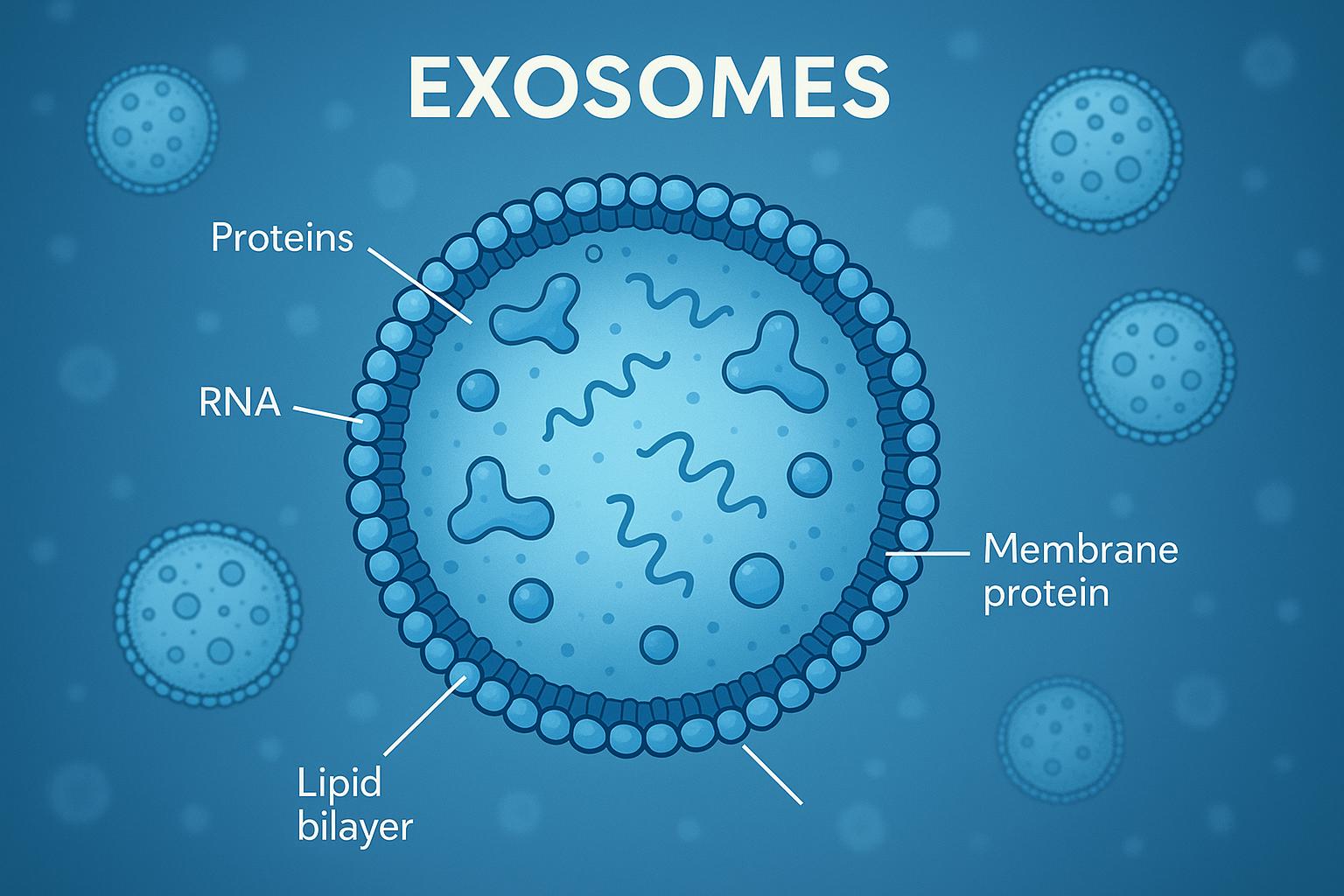
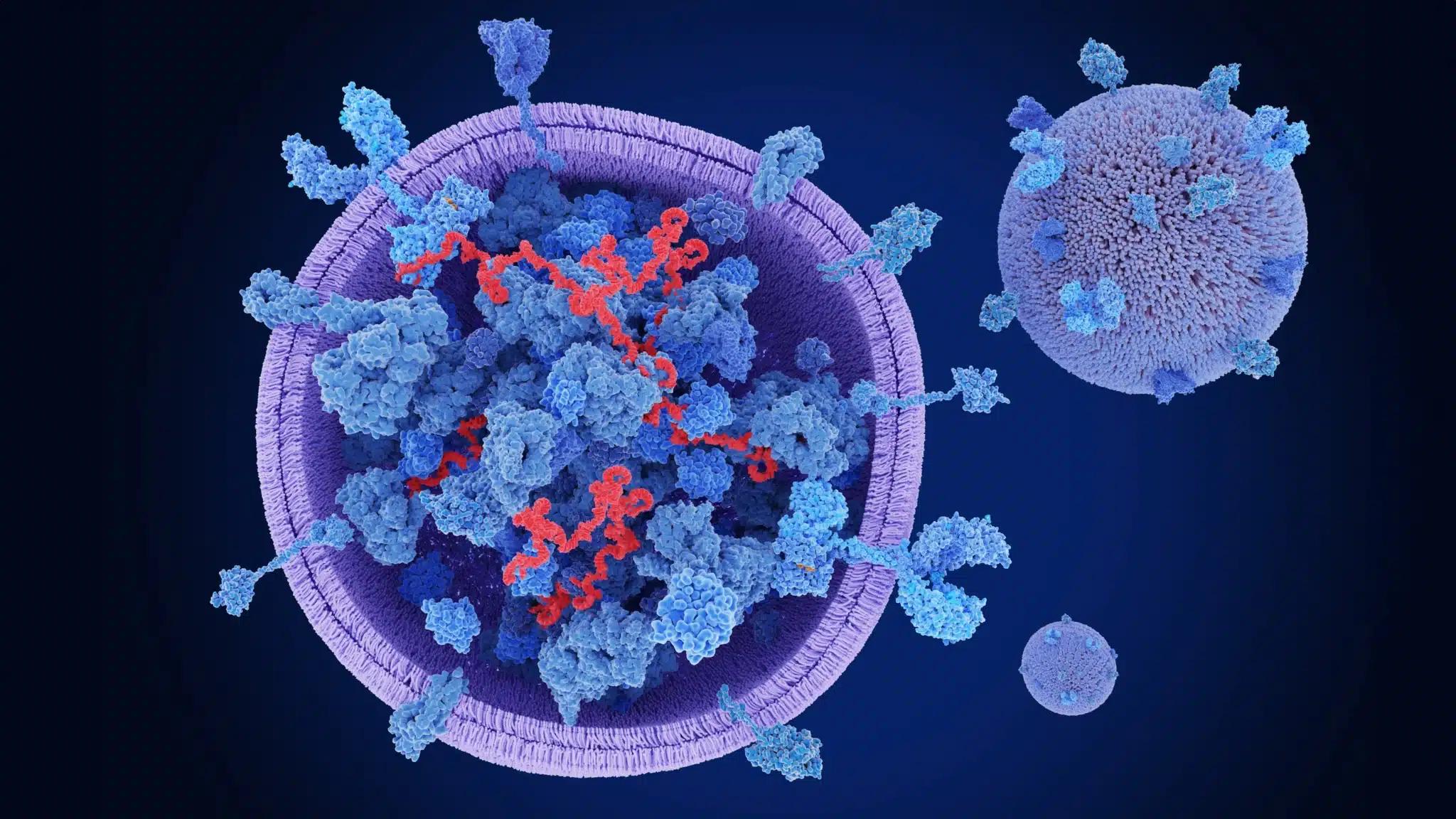
Our cells communicate with one another in many different ways. One of those ways is through extremely small particles called extracellular vesicles. Exosomes are generally described as a type of these tiny, membrane covered particles released by cells.
Think of them almost like microscopic delivery packages.
Inside those packages can be proteins, fats, RNA, microRNA and other biological signals. They can travel between cells and potentially influence how those cells behave.
Researchers are particularly interested in exosomes produced by mesenchymal stem or stromal cells, often shortened to MSCs, because these particles may carry signals capable of affecting inflammation, immune activity and cellular repair.
Unlike traditional stem cell therapy, researchers are not necessarily placing living stem cells into the body. Instead, they are investigating some of the tiny biological messengers those cells release.
Why Scientists Are Studying Exosomes in Autism
Autism is extraordinarily complex.
There is no single known cause, and autistic individuals can be very different from one another. Genetics, brain development, the immune system and numerous biological pathways are all being studied.
One area receiving considerable scientific attention is the possible role of neuroinflammation and immune signaling in at least some autistic individuals.
Researchers studying exosomes and autism have therefore asked an interesting question:
Could certain exosomes carry signals that influence inflammation and communication between cells in the brain?
Laboratory research has suggested that exosomes derived from MSCs may influence inflammatory molecules and cellular pathways associated with immune regulation, brain function and neurodevelopment.
That does not mean inflammation causes autism, or that reducing inflammation can reverse autism. The biology is far too complicated for such a conclusion.
But it gives scientists a reason to investigate further.
What the Research on Exosomes and Autism Actually Shows
This is where the science becomes genuinely interesting, and it is also where parents need to understand an important limitation.
Most of the encouraging treatment results so far have come from animals, not from autistic children.
Researchers have tested exosomes and related extracellular vesicles in several animal models used to study autism related behaviors, including BTBR mice, Shank3B knockout mice, animals exposed prenatally to valproic acid, and maternal immune activation models.
Across several studies, researchers have reported changes such as:
- increased social interaction
- decreases in repetitive behaviors
- increased vocalization in certain mouse models
- improvements in anxiety like behaviors
- changes in inflammatory markers
- changes in biological pathways associated with neuroinflammation and brain signaling
A recent systematic review of the growing field of exosome research in autism found promising behavioral improvements in animal models and concluded that exosomes deserve further investigation as possible biomarkers and future therapeutic tools.
But the key words there are future and investigation.
A mouse displaying fewer autism like behaviors after receiving exosomes does not mean an autistic child will experience the same result. Many treatments that look promising in animals ultimately do not produce the same effects in people.
Why Researchers Are Delivering Exosomes Through the Nose
One of the most interesting aspects of this research is how some scientists are attempting to deliver exosomes.
Several autism animal studies have used intranasal administration, meaning the exosomes were introduced through the nose.
Why the nose?
The brain is protected by something called the blood brain barrier, which makes it difficult for many substances circulating in the bloodstream to reach it.
Researchers believe the nasal cavity may offer another pathway. Scientists are studying whether substances introduced into particular areas of the nose can travel along pathways associated with the olfactory and trigeminal systems and reach parts of the central nervous system. Some animal experiments have reported exosomes appearing in brain regions after intranasal administration.
Again, there is an important difference between mice and people. The human nasal cavity and brain are anatomically very different, and scientists are still working to understand how effectively this kind of delivery can work in humans.
What About Nebulized Exosomes?
This is another area parents may encounter online.
A nebulizer converts a liquid into a fine mist that can be inhaled. Nebulized extracellular vesicles and exosomes have in fact been studied in small human research studies, but primarily for lung and respiratory conditions, not autism.
Small studies have explored nebulized extracellular vesicles derived from MSCs in healthy adults and in people with serious respiratory illnesses. Those studies are useful because they show scientists are investigating whether certain specially manufactured products of this kind can be administered through inhalation.
But there is a very important distinction here.
A nebulizer delivering exosomes into the respiratory system is not necessarily the same thing as intranasal administration designed to target pathways from the nose toward the brain.
At this time, there is no convincing published human evidence showing that breathing exosomes through a nebulizer delivers an effective amount to the human brain, or that it improves autism symptoms.
That distinction is easily lost when animal research is discussed on social media.
Human Research Is Just Beginning
Perhaps the most encouraging development is that researchers are starting to move beyond animal experiments.
A clinical study registered with ClinicalTrials.gov, known as EXO ASD, is investigating exosomes derived from human umbilical cord mesenchymal stem cells in young autistic children. The researchers are studying a nasal spray containing these exosomes in children roughly between three and seven years old, examining both safety and whether the treatment might improve core autism characteristics.
That matters, because it represents movement from laboratory and animal research toward actual clinical research in children.
But it is extremely important for parents to understand what a clinical trial is.
The existence of a clinical trial does not mean scientists have discovered an effective treatment. It means scientists are trying to find out whether a treatment is safe and whether it works.
As of today, there are no published efficacy results establishing that exosomes improve autism symptoms.
There are also physicians and regenerative medicine professionals publicly discussing exosomes and the possible future applications of the technology. Those discussions are interesting, because they show where some clinicians believe this field could eventually go. But parents should draw a careful line between an expert describing a possible biological mechanism or an experimental protocol, and a treatment that has actually been demonstrated to work in controlled human studies.
At this stage, the evidence on exosomes and autism remains primarily preclinical.
Not All Exosomes Are the Same
This may be one of the most important things for parents to understand.
"Exosomes" are not one standardized medication.
Two products advertised as exosomes can be very different from one another. They can differ based on where the original cells came from, how those cells were grown, how the extracellular vesicles were isolated and purified, how many particles are actually present, what biological material those particles contain, how the product was stored, and whether it was properly tested for contamination, sterility and potency.
This matters enormously, because families searching for help often encounter clinics advertising exosomes and autism treatments long before the science has established that those treatments work.
Are Exosomes Approved to Treat Autism?
No.
The U.S. Food and Drug Administration states that there are currently no exosome products approved by the FDA. The agency also states specifically that regenerative medicine therapies have not been approved to treat autism.
The FDA has previously received reports of serious adverse events involving patients who received unapproved products marketed as containing exosomes. It advises anyone considering an investigational exosome treatment in the United States to ask whether the FDA has reviewed it and, where applicable, to request information about the treatment's Investigational New Drug application and its Institutional Review Board oversight.
That does not mean exosome science should be dismissed.
It means experimental science and established medicine are two different things.
What Parents Should Take Away
When it comes to exosomes and autism, I believe parents should hold two things at the same time: hope and caution.
There are legitimate scientists studying this technology. There are intriguing results in several autism animal models. Researchers are investigating how exosomes may affect inflammation, immune signaling and communication between cells, and whether the nose could provide a pathway toward the brain. And human autism research is beginning.
Those are all reasons to pay attention.
But there is not yet sufficient evidence to tell parents that exosomes are an effective treatment for autism. We do not yet know the ideal type of exosome, the appropriate dose, the best method of administration, which autistic individuals might benefit, how long any benefit would last, or the consequences of repeated treatment in a developing child.
Those questions have to be answered through carefully designed human clinical trials.
Why I Still Have Hope
As parents, most of us are not searching for a way to change who our children are. We love our children deeply for exactly who they are.
But loving and accepting our children does not mean we should stop hoping for treatments that could make their lives easier.
We can hope for a future where a nonspeaking child who desperately wants to communicate is finally able to express what he needs.
We can hope for treatments that reduce severe self injury, overwhelming sensory distress, debilitating anxiety, sleep problems, and the other challenges that can make everyday life extraordinarily difficult.
We can hope for greater independence and a better quality of life for autistic adults.
Exosomes may ultimately become part of that future. Or they may simply teach scientists something important that leads somewhere else entirely.
We do not know yet.
What gives me hope is how rapidly neuroscience, genetics, regenerative medicine and biotechnology are advancing. Questions that scientists could barely investigate a generation ago can now be studied at the level of individual cells, genes and microscopic biological signals.
I believe we are moving toward a future where science understands autism far more precisely than it does today, and where support can be tailored to the particular biological challenges of an individual rather than treating every autistic person as though autism were one single condition.
My hope is that one day, whether through exosomes, gene based medicine, regenerative medicine, neurotechnology, or discoveries we have not yet imagined, science will be able to ease some of the most disabling challenges associated with autism while fully respecting the individuality of autistic people.
Until then, our responsibility at the Walking With Alex Foundation is to keep learning, keep asking questions, support families with the therapies and resources available today, and follow promising research without confusing hope with proof.
Because our children deserve both: hope for tomorrow, and responsible support today.
Scientific Sources
Perets N., et al. Intranasal administration of exosomes derived from mesenchymal stem cells ameliorates autistic like behaviors of BTBR mice. 2018. Reported improvements in social interaction, repetitive behavior and maternal vocalization in a mouse model following intranasal delivery.
Systematic review of exosome research in autism spectrum disorder. Review of MSC derived exosomes and their potential role in the pathophysiology of ASD, concluding that behavioral improvements observed to date come from animal models and that further investigation is warranted.
Review of mesenchymal stem and stromal cell based therapies for autism spectrum disorder. Summary of emerging evidence and clinical prospects, noting that the human evidence base remains limited.
ClinicalTrials.gov. EXO ASD. Clinical study of exosomes derived from human umbilical cord mesenchymal stem cells, administered by nasal spray, in young children with autism spectrum disorder. Registered study investigating safety and preliminary effect. No published efficacy results at this time.
U.S. Food and Drug Administration. Public Safety Notification on Exosome Products, and Consumer Alert on Regenerative Medicine Products Including Stem Cells and Exosomes. The FDA states there are no approved exosome products, that regenerative medicine therapies are not approved to treat autism, and that it has received reports of serious adverse events following the use of unapproved products marketed as exosomes.
Disclaimer: This article is provided by the Walking With Alex Foundation for general educational and informational purposes only. It is not medical advice and should not be interpreted as recommending exosome therapy or any other experimental treatment. Exosome products are not approved by the FDA to treat autism. Parents should discuss medical decisions with qualified healthcare professionals and carefully investigate the regulatory status and scientific evidence supporting any experimental therapy.
Walking With Alex Foundation is committed to supporting families affected by autism through education, advocacy, resources and access to meaningful therapies and support.