
Walking With Alex Foundation
September 8, 2026
Autism, Gut Health and Parasites: What Parents Should Know
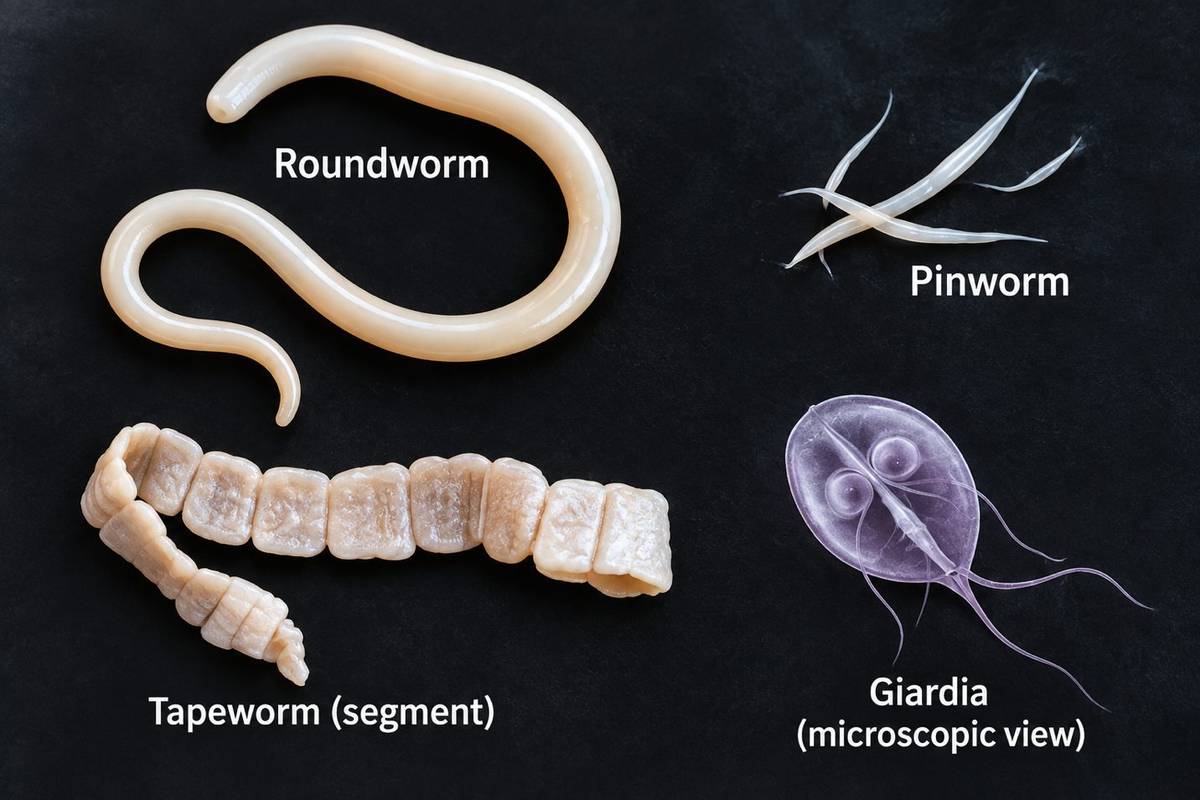
As a mother of autistic children and co founder of the Walking With Alex Foundation, I am constantly researching issues that may affect the health, comfort and quality of life of children with autism. One area that deserves more attention is gastrointestinal health, including the possibility of intestinal parasites when a child has symptoms that warrant investigation.
I want to begin with an important distinction.
Research has consistently shown that gastrointestinal problems are common among children with autism. Meta analyses have found that a substantial share of autistic children and adolescents experience gastrointestinal symptoms. But that does not mean parasites cause autism, and current research does not establish that most autistic children have parasites.
What it does mean is that parents should pay attention to gastrointestinal health and investigate persistent symptoms instead of automatically assuming every new behavior is simply part of autism.
This may matter especially for children who are nonspeaking or have difficulty describing pain.
What Are Parasites?
A parasite is an organism that lives in or on another organism and survives at its host’s expense. Children can acquire certain intestinal parasites through contaminated food or water, contact with contaminated surfaces, travel, close contact with other children and, in some circumstances, exposure to animals.
Some parasitic infections are relatively common in childhood. Pinworm, for example, occurs frequently among preschool and school age children. Giardia is another infection seen in children, particularly after exposure to contaminated water.
Symptoms Parents Should Watch For
Parasites do not produce one universal set of symptoms. Some children have no symptoms at all.
Depending on the organism, symptoms can include:
- persistent or recurrent diarrhea
- abdominal pain or cramping
- excessive gas or bloating
- nausea or vomiting
- unexplained weight loss
- changes in appetite
- fatigue
- anal itching, particularly at night
- disturbed sleep
- visible worms or unusual material in stool

Parents of nonspeaking autistic children face an additional challenge. Their child may not be able to say “my stomach hurts” or “I am itching.”
Pain or discomfort can sometimes show up instead as changes in behavior, sleep, eating or agitation. But those behaviors are nonspecific and should not automatically be attributed to parasites.
That distinction matters.
Autism Does Not Mean Parasites
There is considerable discussion online connecting autism, the microbiome, leaky gut, parasites and behavioral symptoms. Some of it takes legitimate emerging science and extends it much further than the evidence currently allows.
There is fascinating research examining the gut brain connection in autism, and autistic children do experience gastrointestinal problems at relatively high rates.
But parents should be cautious when someone claims that parasites are a hidden cause of autism, or that eliminating parasites will treat autism itself. We do not have good evidence establishing either proposition.
Instead, I believe the practical question should be much simpler:
Could my child have a gastrointestinal problem, including a parasitic infection, that is causing discomfort and deserves treatment?
If the answer might be yes, investigate it.
How Do You Test a Child for Parasites?
Rather than immediately beginning a parasite cleanse, talk to your child’s pediatrician and explain the symptoms and possible exposures.
For many intestinal parasites, a physician may order a stool ova and parasite examination, often called an O and P test. The CDC notes that because parasites can be difficult to detect, examining three or more stool specimens collected on separate days improves the chance of finding an infection.
Depending on the suspected parasite, doctors may use more specific stool antigen or molecular tests. Certain parasites require blood testing instead.
Pinworm is different. The most common test is the tape test.
First thing in the morning, before the child bathes, uses the bathroom or gets dressed, clear adhesive tape is pressed against the skin around the anus. The sample can then be examined for microscopic pinworm eggs. The CDC recommends collecting samples on three consecutive mornings.
The appropriate test depends on symptoms, travel history and the suspected organism, so parents should work with their pediatrician rather than ordering a random collection of tests.
What About a Natural Parasite Cleanse?
This is where I encourage parents to be particularly careful.
You will find countless parasite cleansing protocols online involving wormwood, black walnut hull, cloves, oregano oil, garlic, pumpkin seeds, papaya seeds and various binders.
Some of these substances have shown interesting antiparasitic activity in laboratory, animal or limited human research.
That does not mean a particular combination has been clinically proven to eradicate parasitic infections in children.
At present, there is no herbal parasite cleanse protocol that I would describe as both natural and clinically proven for children.
That matters, because children are not small adults. The dose, purity and potential interactions of concentrated herbal preparations matter. Natural does not automatically mean safe.
The Natural Measures That Really Do Matter
There are several measures that require no medication at all and can make an enormous difference, particularly with pinworm and reinfection.
Parents can:
- encourage frequent handwashing with soap and warm water
- keep children’s fingernails short and clean
- discourage nail biting and putting fingers in the mouth
- bathe children in the morning when dealing with pinworm
- change underwear and pajamas frequently
- regularly wash bedding, towels and clothing
- wash fruits and vegetables carefully
- practice appropriate food safety
- avoid drinking untreated water
- teach children not to swallow water from pools, lakes or streams
For pinworm specifically, these are not merely alternative medicine. The CDC emphasizes hygiene as a critical part of preventing transmission and reinfection.
What About Pumpkin Seeds and Other Foods?
Parents often ask whether foods such as pumpkin seeds, garlic or certain herbs can help.
There is some interesting preliminary research around plant derived compounds and parasites, and those areas deserve further study. But I would view ordinary nutritious foods as supportive dietary choices, not substitutes for treating a diagnosed infection.
I would be much more cautious about giving a child concentrated wormwood, black walnut or multi herb parasite cleanses without discussing the ingredients and doses with the child’s pediatrician.
Medical Treatment for Parasites
The good news is that if your child actually has a parasite, many parasitic infections are very treatable.
And treatment is not the same for every parasite.
For pinworm, the CDC lists three established medications:
- Pyrantel pamoate. Available without a prescription in the United States.
- Mebendazole. Prescription antiparasitic medication.
- Albendazole. Prescription antiparasitic medication.
Pinworm treatment generally involves an initial dose followed by another dose two weeks later, because the medication kills the worms but does not reliably kill their eggs.
Other parasites require completely different medications. Giardia, tapeworms, hookworms and other infections should not all be placed under the umbrella of one generic parasite cleanse.
This is precisely why testing and diagnosis are so valuable.
Do Not Mistake Die Off for Proof That a Cleanse Is Working
Parents should also be cautious about another popular claim online.
Some supplement companies tell consumers that if a child develops diarrhea, vomiting, headaches, fatigue or behavioral changes after beginning a cleanse, this is evidence that parasites are dying and releasing toxins.
That conclusion should not automatically be made.
A child becoming sick after taking a supplement could be experiencing a side effect, an intolerance, a medication interaction or another medical problem entirely. Do not simply increase the dose or continue because someone online calls the reaction die off.
Contact the child’s healthcare professional.
My Message to Parents
As parents of autistic children, we naturally want to investigate anything that could make our children’s lives easier.
And I believe we should.
If a child cannot easily communicate pain, we sometimes have to become detectives. A sudden change in sleep, eating, bowel movements or behavior deserves attention. Constipation, reflux, food intolerance, infection and other medical problems can easily be overlooked when everything gets attributed to autism.
Parasites should be considered when symptoms and exposure history make them a reasonable possibility.
But our desire to explore every possibility should come with healthy skepticism.
Test when appropriate. Find out what organism you are dealing with. Use good hygiene and nutrition. Discuss supplements with your child’s healthcare provider. And when an infection is confirmed, use a treatment that has actually been demonstrated to eliminate that particular parasite.
There is exciting research happening around autism, the gastrointestinal system, the microbiome and the gut brain connection. At Walking With Alex Foundation, we believe parents should have access to emerging research. We also believe there is an important difference between something promising, something possible, and something proven.
Our children deserve all three things from us: hope, curiosity and evidence.
Scientific Sources
Centers for Disease Control and Prevention. Guidance on stool ova and parasite examination, noting that three or more specimens collected on separate days improve detection.
Centers for Disease Control and Prevention. Pinworm infection guidance, including the cellophane tape test collected on three consecutive mornings, hygiene measures for preventing reinfection, and the three treatment medications listed above.
Gan J., et al. Questionnaire based analysis of autism spectrum disorders and gastrointestinal symptoms in children and adolescents: a systematic review and meta analysis. 2023. Estimated the prevalence of at least one gastrointestinal symptom among autistic children included in the analysis.
Disclaimer: This article is for educational and informational purposes only and is not medical advice. It is not intended to diagnose, treat, cure or prevent any disease, or to recommend a particular medication, supplement or treatment for any child. Parents should consult their child’s pediatrician or other qualified healthcare professional before testing for or treating a suspected parasitic infection, or giving a child supplements or herbal products.
Walking With Alex Foundation is committed to supporting families affected by autism through education, advocacy, resources and access to meaningful therapies and support.