By Nina Garayan, Esq.
There is a side of autism parenting that the world rarely sees.
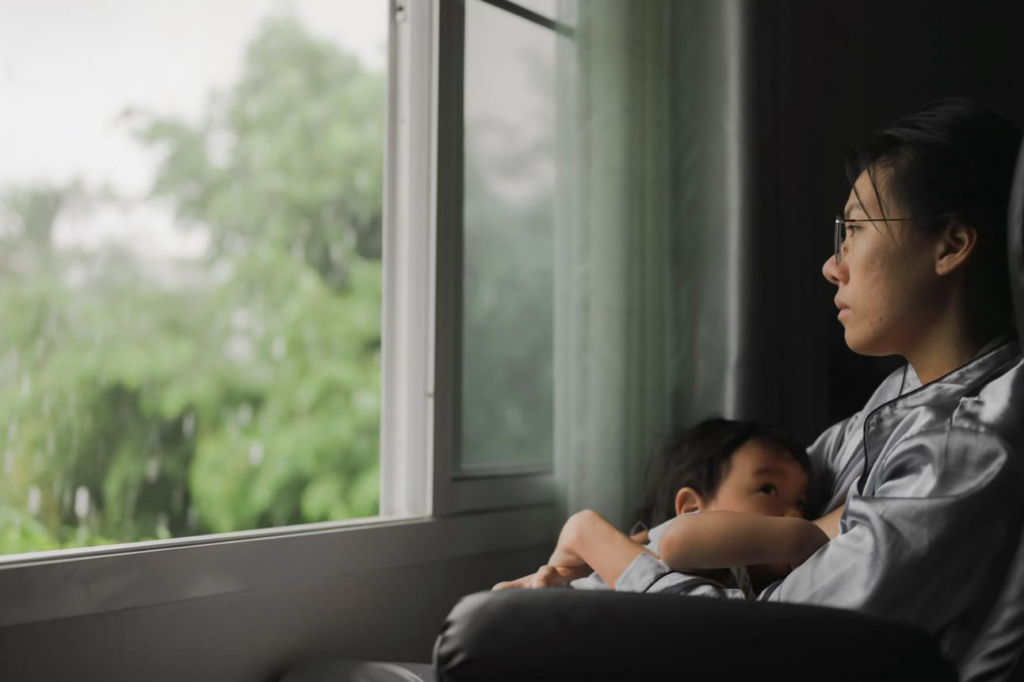
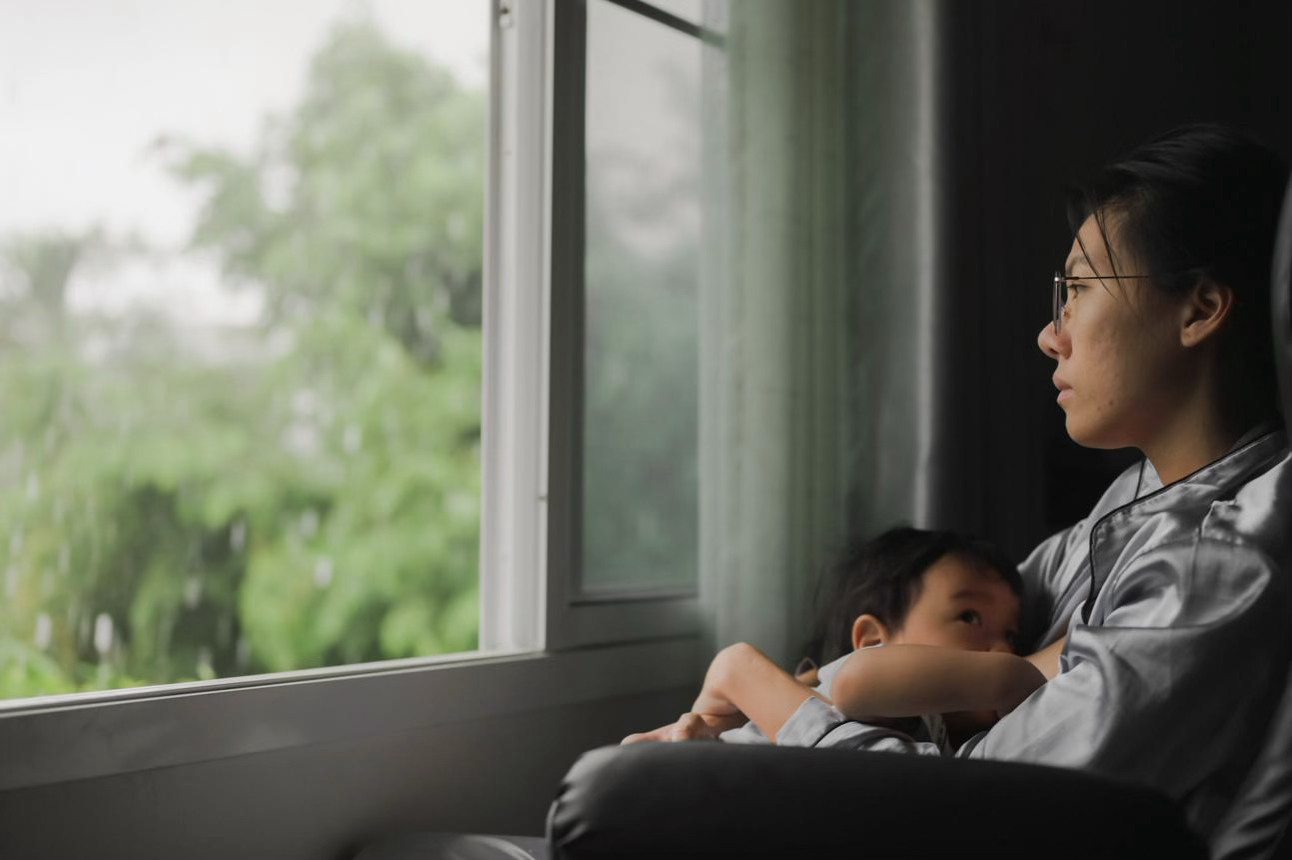
People often see the inspirational moments, the milestone videos, the carefully edited social media posts, or the smiling family photos. What they do not see is the emotional weight many parents carry every single day behind closed doors. They do not see the constant fear, the exhaustion, or the emotional burden that comes with advocating for a child in a world that often does not understand them.
For many families raising a child with autism, life can feel like living in a permanent state of uncertainty.
Parents worry constantly. They worry about safety. They worry about elopement. They worry about whether their child will ever be able to communicate their needs, live independently, form relationships, or navigate the world safely. Many parents live with the terrifying fear of what could happen in a split second — a child running into traffic, wandering away in public, choking on unsafe foods, or having a meltdown in an environment that is not understanding or accommodating.
And perhaps the heaviest fear of all is the question that quietly lives in the back of so many parents’ minds:
“What will happen to my child when I am no longer here?”
That fear never fully leaves.
Autism does not clock out at the end of the day. There are no true breaks from the emotional responsibility that comes with protecting, supporting, and caring for a child with special needs. Many parents live in survival mode for years at a time. Sleep deprivation becomes normal. Anxiety becomes normal. Hypervigilance becomes normal.
Even simple daily activities that other families may take for granted — going to the grocery store, attending birthday parties, taking family vacations, eating at restaurants, or even running errands — can become overwhelming and unpredictable. Parents often have to mentally prepare for sensory overload, meltdowns, judgment from strangers, or sudden changes in routine that can completely derail the day.
The exhaustion is not just physical. It is emotional.
It is the exhaustion of constantly researching therapies, fighting insurance denials, attending IEP meetings, coordinating appointments, filling out paperwork, advocating for accommodations, explaining autism to others, and repeatedly having to prove that your child deserves support and understanding.
Parents become case managers, therapists, advocates, educators, protectors, and emotional anchors all at once.
And many do this while quietly neglecting themselves.
The emotional burden of advocacy is something few people truly understand unless they have lived it. Parents are forced to fight battles every single day that they never expected to fight. They fight for services. They fight for inclusion. They fight to be heard by schools, insurance companies, medical providers, and sometimes even family members who do not fully understand autism.
Over time, that constant advocacy can become emotionally draining.
Yet despite all of this, autism parents continue to show up.
They show up exhausted. They show up scared. They show up overwhelmed. But they still show up because their love for their child is bigger than their exhaustion.
There is extraordinary strength in parents who continue moving forward while carrying fear and uncertainty every day. There is strength in the mothers and fathers who advocate relentlessly, even when they feel invisible. There is strength in families who continue fighting for their children in a world that often makes them fight harder than they should have to.
And perhaps that is what autism parenting truly is — loving so deeply that you continue walking forward, even on the hardest days.
To every parent living in survival mode: you are not alone. Your exhaustion is real. Your fears are valid. And your advocacy matters more than you know.