By Nina Garayan, Esq.
For many families raising a child with autism or other special needs, navigating the education system can feel overwhelming and, at times, intimidating. One of the most important tools available to support children in public schools is the Individualized Education Program, commonly known as the IEP.
As both an attorney and a mother, I have seen how powerful an IEP can be when parents understand their rights and actively participate in the process. This article is meant to provide a clear and practical understanding of IEP rights in California so families can confidently advocate for their children.
An IEP is a legally binding document created under federal law, specifically the Individuals with Disabilities Education Act. This law guarantees that eligible children with disabilities are entitled to a free appropriate public education. In California, additional protections are provided under state education laws and regulations. Together, these laws require public schools to identify students with disabilities, evaluate their needs, and provide specialized instruction and related services designed to help them make meaningful educational progress.
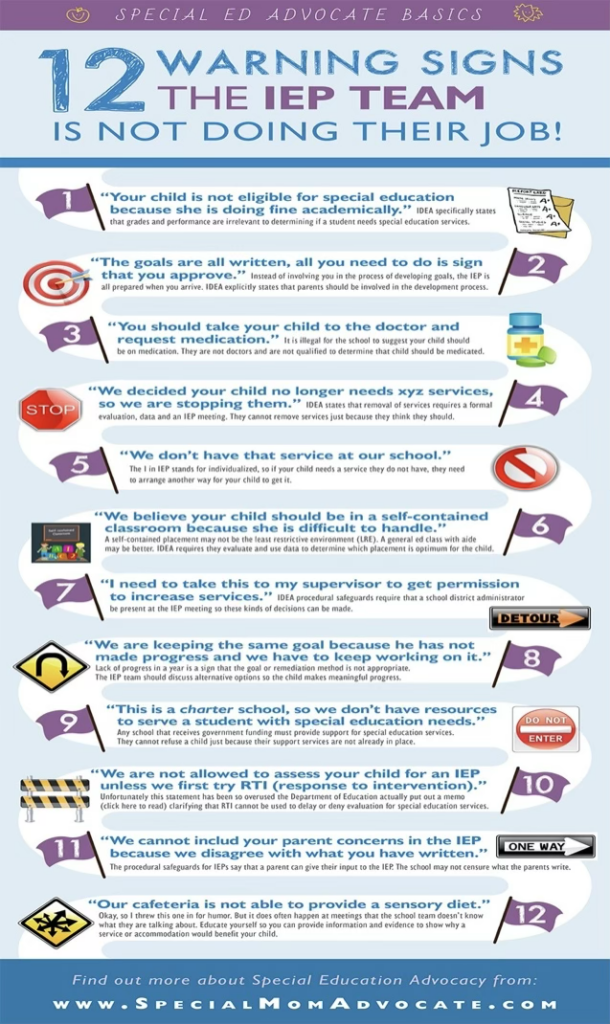
One of the most important rights parents have is the right to request an evaluation. If a parent suspects that their child may have a disability affecting learning, behavior, communication, or participation in school, they can submit a written request for assessment. Once the request is made, California law requires the school district to respond within a specific timeline. Parents must receive an assessment plan, and after consent is provided, evaluations must be completed within sixty days, excluding certain school breaks.
Parents have the right to a comprehensive evaluation. This means the assessment must cover all areas of suspected disability. For a child with autism, this may include speech and language skills, social communication, sensory processing, academic performance, behavior, adaptive functioning, and motor skills. The evaluation must be conducted by qualified professionals using appropriate tools that are not discriminatory or biased.
After the evaluation is completed, an IEP meeting is scheduled. Parents are equal members of the IEP team. This is not merely a formality. Schools cannot legally make final decisions about services or placement without parent participation. Parents have the right to ask questions, request clarifications, propose goals, and disagree with recommendations.
The IEP document itself must include specific elements. These include a description of the child’s present levels of performance, measurable annual goals, the services the child will receive, accommodations and modifications, participation in general education, and how progress will be monitored. Services may include specialized academic instruction, speech therapy, occupational therapy, behavioral intervention, counseling, transportation support, or the assistance of a one-to-one aide when necessary.
Another critical right is the right to placement in the least restrictive environment. This means children with disabilities should be educated alongside their non-disabled peers to the maximum extent appropriate. Schools cannot automatically place a child in a separate classroom simply because of a diagnosis. The decision must be individualized based on the child’s needs and the supports that can be provided in general education settings.
Parents also have the right to receive prior written notice. This means the school must provide written documentation whenever it proposes or refuses to change identification, evaluation, placement, or services. This notice must explain the reasons for the decision and the evidence relied upon.
If parents disagree with the school’s evaluation, they have the right to request an independent educational evaluation at public expense under certain conditions. This allows an outside specialist to assess the child’s needs and provide recommendations that the school must consider.
Dispute resolution rights are another important protection. Parents in California can request mediation, file a state compliance complaint, or pursue a due process hearing. These legal avenues exist to ensure that schools fulfill their obligations and that children receive appropriate services.
Behavioral support is also a key area of IEP rights. When a child’s behavior interferes with learning, the school must consider conducting a functional behavioral assessment and developing a behavior intervention plan. The goal is not punishment but understanding the purpose of the behavior and teaching safer, more effective alternatives.
IEPs must be reviewed at least once per year, but parents can request a meeting at any time if concerns arise. Reevaluations must occur at least every three years unless both the school and parents agree they are unnecessary.
In addition to special education under an IEP, some children may qualify for protections under Section 504 of the Rehabilitation Act. While a 504 plan provides accommodations rather than specialized instruction, it still offers important safeguards against disability discrimination in schools.
Understanding these rights empowers parents to move from feeling overwhelmed to becoming strong advocates. Preparation for IEP meetings, keeping organized records, and maintaining collaborative communication with school staff can make a significant difference.
The most important message I want families to remember is this: you are not asking for favors. You are asserting legal rights designed to ensure your child has access to education, dignity, and opportunity.
At Walking With Alex Foundation, we believe knowledge is one of the most powerful forms of advocacy. When parents understand the law, they are better equipped to help their children thrive.
Nina Garayan, Esq.
Walking With Alex Foundation