
By Nina Garayan, Esq.
Walking With Alex Foundation
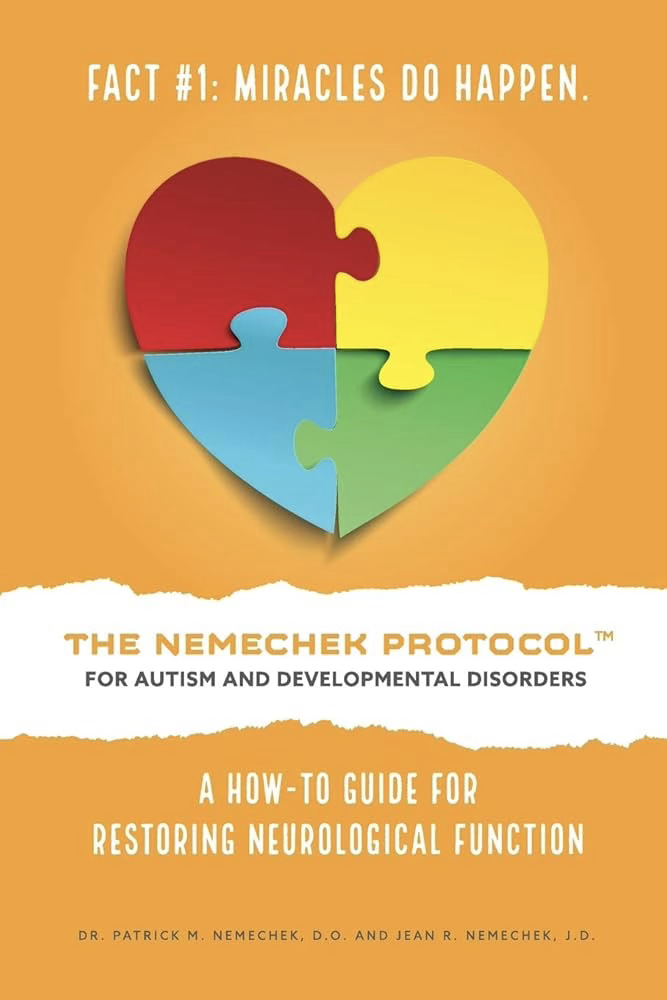
As parents navigating the complex landscape of autism interventions, we encounter a wide spectrum of approaches—behavioral, biomedical, nutritional, neurological, and emerging regenerative therapies. One protocol that has gained considerable attention in parent communities is the Nemechek Protocol, developed by Dr. Patrick Nemechek, an American physician who focuses on the autonomic nervous system and integrative approaches to chronic illness.
This article examines the Nemechek Protocol through a research-oriented lens. The goal is not promotion or dismissal, but careful analysis grounded in available scientific literature, biological plausibility, and documented evidence.
The Nemechek Protocol is built on the theory that autism and other neurological conditions stem from dysfunction of the autonomic nervous system combined with chronic inflammation, often attributed to imbalances in the gut microbiome. According to Dr. Nemechek’s framework, bacterial overgrowth in the small intestine produces inflammatory metabolites that disrupt brain development and interfere with neural signaling. The protocol proposes that by correcting gut dysbiosis, reducing inflammation, and restoring autonomic balance, neurological healing can occur.
Central to the protocol are fish oil supplementation rich in omega-3 fatty acids, daily intake of extra virgin olive oil, and the use of the prebiotic fiber inulin. Some expanded versions of the protocol also reference medium-chain triglycerides from coconut oil, dietary modifications, and avoidance of certain carbohydrates believed to feed harmful gut bacteria.
The biological concepts underlying this approach draw from several established areas of research. First, the gut-brain axis is a well-documented bidirectional communication system between the gastrointestinal tract and the central nervous system. Studies have shown that individuals with autism frequently experience gastrointestinal symptoms at higher rates than neurotypical peers. Research published in journals such as Autism Research and Brain, Behavior, and Immunity has identified altered gut microbiota composition in some individuals with autism. Inflammatory markers are also elevated in subsets of autistic children, suggesting immune system involvement in at least part of the population.
Omega-3 fatty acids, particularly eicosapentaenoic acid and docosahexaenoic acid, have been studied for their anti-inflammatory properties and potential neurological benefits. Some small randomized trials have examined omega-3 supplementation in children with autism. Results have been mixed. Certain studies reported modest improvements in hyperactivity or stereotyped behaviors, while others showed no statistically significant change in core social communication deficits. Systematic reviews generally conclude that evidence remains inconclusive and that larger, well-controlled trials are necessary.
Inulin, a prebiotic fiber, promotes the growth of beneficial gut bacteria such as Bifidobacteria. Prebiotic and probiotic interventions have been explored in autism research with preliminary but inconsistent findings. Some pilot studies suggest that modifying gut microbiota may improve gastrointestinal symptoms and possibly influence behavioral outcomes, but the evidence is still emerging and not definitive.
The Nemechek Protocol also emphasizes autonomic nervous system rehabilitation. Autonomic dysfunction, including altered heart rate variability and stress responses, has been documented in some autistic individuals. However, the direct causal relationship between autonomic dysregulation and core autism symptoms remains an area of ongoing investigation rather than established consensus.
Proponents of the protocol report rapid improvements in speech, motor coordination, attention, sensory processing, and emotional regulation. Parent testimonials frequently describe children becoming more present, more engaged, or calmer within days or weeks of beginning the dietary regimen. While these accounts are compelling and emotionally powerful, anecdotal evidence does not substitute for controlled clinical trials. At present, there are no large-scale, peer-reviewed randomized controlled trials validating the Nemechek Protocol as an evidence-based autism treatment.
The protocol’s staged structure—restoration, renewal, reversal, and maintenance—conceptually mirrors broader integrative medicine frameworks aimed at reducing inflammation and optimizing metabolic health. However, the specific claims that stem cell production is stimulated through dietary fat manipulation or that neural pathways regenerate as a direct result of the protocol remain unverified in clinical autism research.
The discussion of stem cell therapy as a treatment for autism also requires careful scientific clarity. Stem cell therapy is an area of active research, and some early-phase clinical trials have explored the safety of cord blood infusions in autistic children. These studies are preliminary and primarily evaluate safety rather than efficacy. To date, stem cell therapy is not an FDA-approved standard treatment for autism. While some private clinics worldwide offer stem cell procedures, large-scale randomized evidence demonstrating consistent behavioral normalization or cognitive restoration in autism is not yet established. Families considering such interventions must evaluate regulatory status, clinical oversight, and published data carefully.
Autism is recognized in mainstream medicine as a neurodevelopmental condition with strong genetic contributions and complex environmental interactions. No single dietary, detoxification, or regenerative intervention has been proven to cure autism. That does not mean supportive therapies cannot improve quality of life, but it does mean that claims of reversal or cure require rigorous evidence.
From a scientific standpoint, elements of the Nemechek Protocol intersect with plausible biological pathways. Anti-inflammatory nutrition, omega-3 balance, and gut microbiome support are areas worthy of continued research. At the same time, plausibility is not proof. Without controlled data comparing outcomes to placebo groups and standardized behavioral measurements, it is not possible to conclude that the protocol directly alters core autism traits.
For families exploring integrative approaches, consultation with pediatricians, neurologists, and gastroenterologists is essential. Nutritional supplementation can affect metabolism, immune response, and medication interactions. Individual variability in autism is significant, and interventions that appear beneficial for one child may not produce the same outcome for another.
As advocates, our responsibility is to remain open to emerging science while grounded in evidence. The Nemechek Protocol represents a hypothesis-driven approach built on gut-brain and inflammatory models of autism. It has passionate supporters and compelling testimonials. It does not yet have the level of peer-reviewed validation required to classify it as an evidence-based standard treatment.
Research into the microbiome, neuroinflammation, and regenerative medicine continues to evolve. The future of autism support may indeed incorporate metabolic and immune modulation strategies. Until robust data are available, families deserve transparent information that distinguishes between theory, anecdote, and proven intervention.
Our commitment at Walking With Alex Foundation is to empower parents with knowledge. Hope is powerful, but it must walk alongside science.