
At the Walking With Alex Foundation, we are often asked about complementary and alternative therapies that parents encounter while searching for ways to support their children with autism. One therapy that frequently comes up is craniosacral therapy (CST), sometimes referred to as cranio therapy.
Parents deserve clear, evidence-based information—especially when therapies are gentle, widely marketed, and accompanied by strong personal testimonials. This article reviews the latest available research, explains what craniosacral therapy is believed to do, and outlines what is currently known (and not known) about its role in supporting children with autism.
This article is educational in nature and not medical advice.
What Is Craniosacral Therapy?
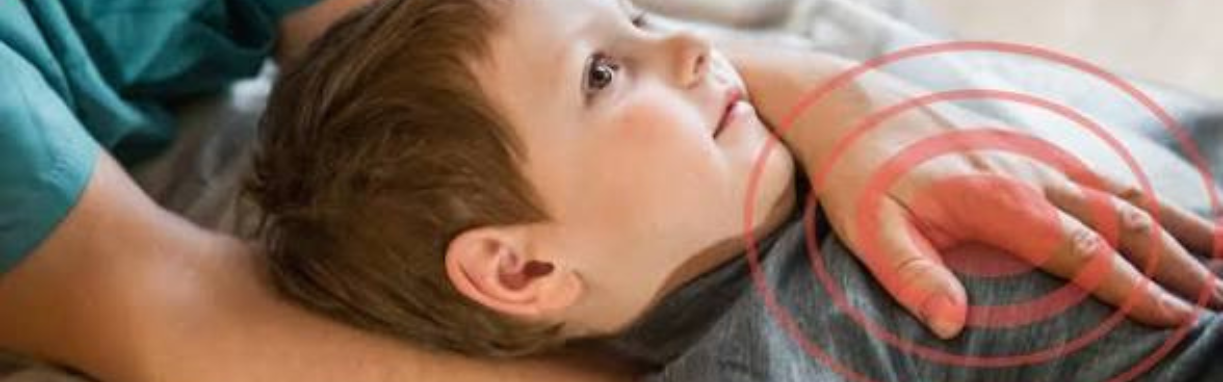
Craniosacral therapy is a hands-on bodywork technique developed from osteopathic medicine. Practitioners use very light touch to the skull, spine, and sacrum, with the belief that subtle manipulations can influence the craniosacral system, which includes the membranes and cerebrospinal fluid surrounding the brain and spinal cord.
Proponents of CST suggest that it may help regulate the nervous system, reduce physical tension, and promote relaxation by improving the flow and rhythm of cerebrospinal fluid. In practice, sessions are quiet, slow, and typically non-invasive.
Why Parents of Children With Autism Explore CST
Many children with autism experience challenges related to sensory processing, anxiety, emotional regulation, and sleep. Because craniosacral therapy is gentle and does not involve medication, parents are often drawn to it as a potential supportive option.
Families who pursue CST often do so hoping it may help their child feel calmer, more regulated, or more comfortable in their body—rather than expecting it to directly change autism itself.
What the Scientific Research Shows
Overall quality of evidence
As of the most recent reviews, high-quality scientific evidence supporting craniosacral therapy as a treatment for autism is limited. Large, well-controlled randomized clinical trials demonstrating clear benefits for core autism characteristics—such as language development, social communication, or repetitive behaviors—do not currently exist.
Major medical and research organizations, including institutions affiliated with the National Institutes of Health, classify craniosacral therapy as a complementary or alternative therapy rather than an evidence-based medical treatment for autism.
Studies and reviews
Small studies, case reports, and observational research have explored CST for various pediatric conditions, including developmental and neurological differences. Some of these studies report improvements in areas such as relaxation, perceived stress, or parent-reported well-being. However, these studies often have significant limitations, including small sample sizes, lack of control groups, and reliance on subjective outcomes.
Systematic reviews of craniosacral therapy across multiple conditions consistently conclude that evidence is insufficient to support claims that CST produces measurable neurological or developmental changes. When benefits are reported, they are typically described as non-specific, meaning they may be related to relaxation, caregiver attention, or placebo effects rather than direct physiological changes.
What CST May Help With—Based on Current Evidence
While CST has not been shown to treat autism itself, some parents report secondary benefits that may be meaningful in daily life. These may include increased relaxation, improved sleep, or temporary reductions in stress or agitation. These effects are likely related to the calming nature of the sessions rather than changes in brain structure or function.
In this sense, craniosacral therapy may function similarly to other comfort-based interventions, such as massage or quiet sensory regulation activities. For some children, especially those who respond well to gentle touch and predictable routines, this calming effect can be valuable.
Important Limitations and Risks of Overstating Benefits
It is critical for families to be aware that craniosacral therapy:
- Has not been proven to improve core autism traits
- Does not alter brain anatomy or neurological development
- Should not replace evidence-based therapies, such as speech therapy, occupational therapy, behavioral interventions, or medical care
- Is often expensive and typically not covered by insurance
Claims that CST can “rewire the brain,” “release trauma from the skull,” or “correct neurological dysfunction” are not supported by current scientific evidence and should be approached with caution.
Safety Considerations
Craniosacral therapy is generally considered low risk when performed by a trained practitioner using gentle techniques. However, children with certain medical conditions affecting the spine, skull, or nervous system should be evaluated carefully before any manual therapy.
Parents should ensure that any practitioner:
- Has appropriate training and credentials
- Has experience working with children, especially neurodivergent children
- Respects the child’s comfort, consent, and sensory boundaries
Any therapy that causes distress, discomfort, or regression should be discontinued.
How to Think About Craniosacral Therapy Responsibly
If families choose to explore craniosacral therapy, it is best understood as a supportive, comfort-focused intervention, not a medical treatment for autism. It may be appropriate as an adjunct for relaxation or stress reduction in some children, but it should never be viewed as a substitute for therapies with established evidence of benefit.
Autism support is most effective when it is individualized, evidence-informed, and centered on the child’s dignity, comfort, and long-term development.
The Walking With Alex Foundation Perspective
At the Walking With Alex Foundation, we believe in honesty, transparency, and respect for families navigating complex decisions. While some complementary therapies may feel supportive on an emotional or sensory level, families should be cautious of claims that promise neurological or developmental change without scientific backing.
Parents deserve information that empowers—not pressure or false hope. Asking questions, setting realistic expectations, and working in partnership with qualified healthcare professionals is always the strongest foundation for decision-making.
Medical Disclaimer
The information provided in this article is for educational purposes only and is not medical advice. Parents and caregivers should consult their child’s physician or qualified healthcare provider before starting any new therapy or treatment. The Walking With Alex Foundation does not provide medical diagnoses or treatment recommendations.